
Gender-Affirming Care During Menopause: What Trans Folx Need to Know
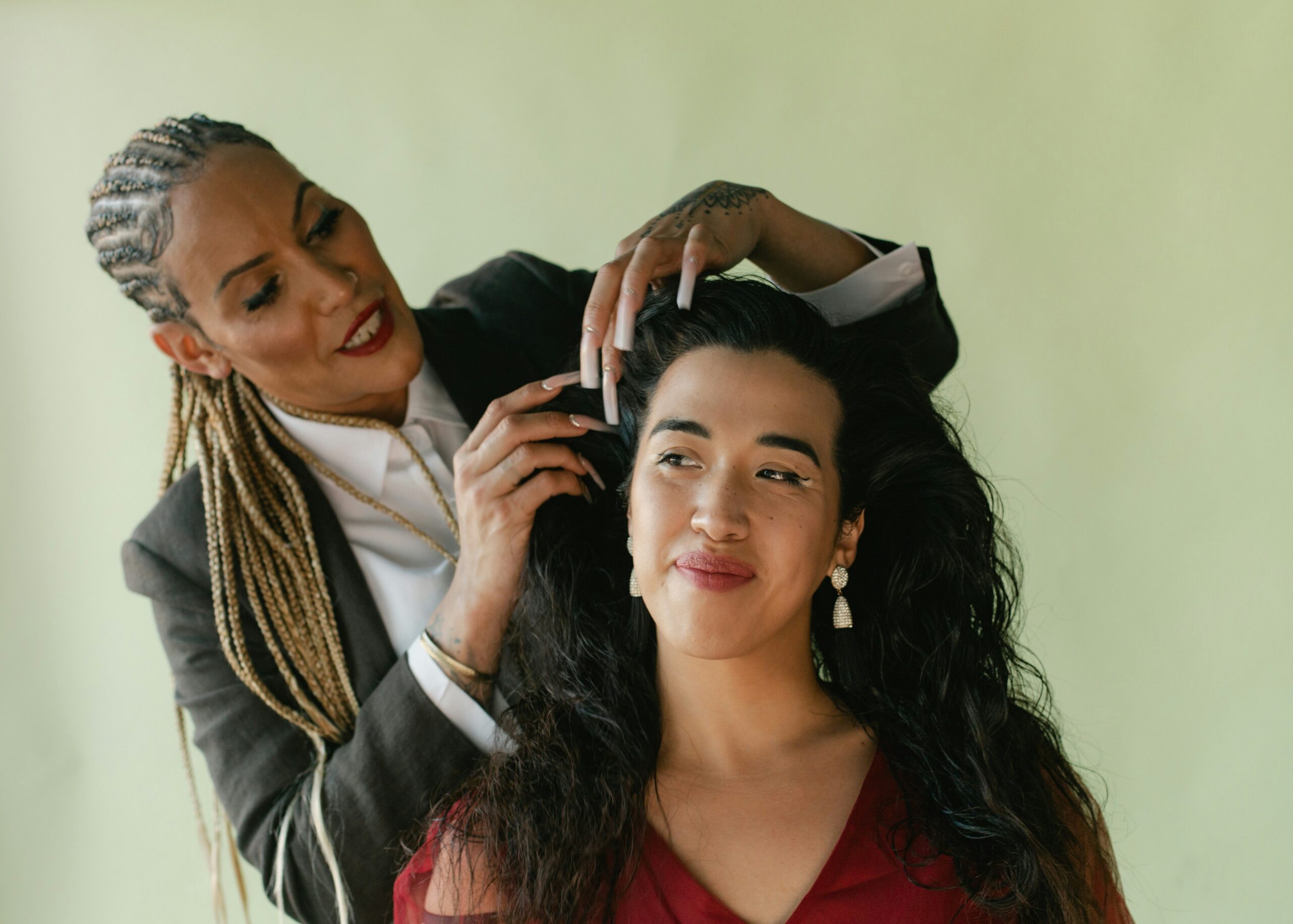
What happens when trans and non-binary people go through menopause?
Most information about menopause assumes you’re a cisgender woman who’s been producing estrogen your whole life and is now watching those levels drop. But what if you’ve been on hormone therapy? What if you’ve had gender-affirming surgeries? What if the standard menopause narrative doesn’t even come close to describing your experience?
Here’s the truth: gender-affirming care during menopause is complicated, under-researched, and often ignored by healthcare providers who don’t know how to support trans and non-binary folx through this transition.
But you deserve information that actually applies to your body and your experience. So let’s talk about what menopause can look like for trans folx, what to expect, and how to get the support you need.
What Even Is Menopause for Trans Folx?
First, let’s clear up what we’re talking about, because “menopause” means different things depending on your body and your transition journey.
For trans women and transfeminine folx on estrogen, menopause isn’t about your ovaries stopping production (you don’t have ovaries). But you can experience menopause-like symptoms if your hormone levels change, if you stop or reduce HRT, or as you age and your body processes hormones differently.
For trans men and transmasculine folx on testosterone, the picture is more complicated. Testosterone typically stops menstruation, but if you still have ovaries, they’re still functioning (even if you’re not bleeding). Some trans men experience what’s called “testosterone-induced menopause” or surgical menopause if they’ve had their ovaries removed.
For non-binary folx, it depends entirely on your body, your hormone therapy (if any), and whether you’ve had gender-affirming surgeries.
The point is: there’s no single “trans menopause” experience. Your journey depends on your specific body, your transition timeline, and your gender-affirming care plan.
Menopause Symptoms When You’re On HRT
Here’s what makes this so confusing: many menopause symptoms overlap with hormone fluctuations that trans folx might already be experiencing from HRT.
Hot flashes, mood changes, sleep issues, brain fog, changes in libido, fatigue – these can all be symptoms of menopause OR symptoms of hormone levels being off.
For trans women and transfeminine folx, if you’re on estrogen and your levels drop (whether from aging, medication changes, or stopping HRT), you might experience symptoms similar to cisgender women going through menopause. According to Folx Health, this can include hot flashes, mood swings, and changes in bone density.
For trans men and transmasculine folx on testosterone, if you still have ovaries, they may eventually stop functioning even with T suppressing your cycle. This can happen earlier than it would for cis women. Some research suggests testosterone therapy might trigger earlier ovarian aging, though more research is desperately needed.
The challenge? Many doctors don’t know how to interpret symptoms in trans bodies. They might dismiss your concerns, attribute everything to your transition, or simply have no idea how to help.
What Happens If You Stop HRT?
Some trans folx choose to stop or reduce hormone therapy as they age. Maybe it’s for health reasons, maybe financial, maybe personal choice. Whatever the reason, stopping HRT after years of use can trigger menopause-like symptoms pretty quickly.
For trans women stopping estrogen, you might experience hot flashes, mood changes, sleep disruption, and changes in how your body stores fat. Your risk for osteoporosis goes up. Your skin might change. It’s essentially putting your body through a hormone withdrawal that mimics menopause.
For trans men stopping testosterone, your cycle might return (if you still have a uterus and ovaries and haven’t reached natural menopause yet). You might experience mood changes, changes in body composition, and return of gender dysphoria symptoms if menstruation returns.
As Modern Menopause points out, the decision to continue or stop HRT is deeply personal and should be made with a knowledgeable healthcare provider who understands both gender-affirming care and aging.
Surgical Menopause for Trans Folx
If you’ve had your ovaries removed as part of gender-affirming surgery, you’ve gone through surgical menopause – regardless of your age when it happened.
Surgical menopause is different from natural menopause because it happens suddenly rather than gradually. Your hormone levels drop immediately, which can cause more intense symptoms than gradual natural menopause.
For trans men who’ve had oophorectomy (ovary removal), this means you’re in menopause even if you’re still on testosterone. Your body is no longer producing estrogen from your ovaries, and T is your primary sex hormone.
For non-binary folx who’ve had ovaries removed, same deal. You’re in surgical menopause, and your hormone needs depend on your specific gender-affirming care plan.
The important thing to know: surgical menopause requires ongoing hormone monitoring and care, regardless of your gender identity. Your bones need support. Your cardiovascular health needs attention. Your mental health matters.
The Bone Density Question Everyone Ignores
Let’s talk about something most doctors won’t bring up proactively: bone health.
Estrogen protects bone density. When estrogen levels drop (whether you’re cis or trans), your risk for osteoporosis goes up. This matters for everyone, but it’s particularly important for trans folx whose hormone histories might be different from what standard medical guidelines assume.
If you’re a trans woman on estrogen, your bone health depends on maintaining adequate estrogen levels. If you stop HRT or your levels drop significantly, your bones are at risk.
If you’re a trans man on testosterone, T helps with bone density too. But if you had your ovaries removed and aren’t on any hormone therapy, you’re at higher risk.
According to Shop Diva, bone density screening should be part of gender-affirming care for anyone approaching menopause age or who’s had ovaries removed.
Talk to your doctor about getting a bone density scan. Ask about calcium and vitamin D supplementation. Weight-bearing exercise helps. This isn’t optional maintenance – it’s essential healthcare.
Finding Healthcare Providers Who Actually Get It
Here’s the hardest part of all this: finding doctors who understand both gender-affirming care and menopause.
Most endocrinologists who specialize in menopause have little experience with trans patients. Most gender-affirming care providers focus on younger trans folx starting transition, not on managing menopause in long-term HRT patients.
You need providers who understand:
- How HRT interacts with aging bodies
- What menopause looks like in trans bodies
- How to adjust hormone levels appropriately
- When surgical interventions might be needed
- How to support your mental health through this transition
This might mean seeing multiple specialists. It definitely means advocating for yourself and educating providers who are willing to learn but might not have experience.
As I discuss on my therapy for trans folx page, finding affirming care isn’t just about medical knowledge – it’s about providers who see you as a whole person and respect your gender identity while addressing your healthcare needs.
What About Mental Health?
Menopause messes with your mental health, regardless of gender identity.
Hormone fluctuations affect mood, anxiety, depression, and overall emotional regulation. For trans folx, this can be even more complicated because hormones are often tied to gender euphoria or dysphoria.
If your hormone levels change and it triggers dysphoria, that’s an added layer of distress on top of already difficult menopause symptoms. If you’ve spent years feeling right in your body because of HRT, and now those levels are changing, that’s grief and loss mixed in with hot flashes and insomnia.
Therapy can be incredibly helpful during this transition. Not just any therapy – affirming therapy from someone who understands both gender identity and the very real impact of hormonal changes on mental health.
Check out my resources page for information on finding gender-affirming healthcare providers and mental health support.
Practical Tips for Managing Symptoms
While we’re waiting for medical research to catch up and doctors to get educated, here are some practical things that might help:
Track your symptoms. Keep notes on what you’re experiencing, when, and how it relates to your HRT schedule. This helps you and your doctor figure out if symptoms are menopause-related or something else.
Monitor your hormone levels. Regular blood work is essential. Don’t assume your levels are fine just because you’re on the same dose you’ve been on for years. Bodies change as we age.
Address sleep issues. Whether it’s hot flashes, night sweats, or just hormone-related insomnia, poor sleep makes everything worse. Cool bedroom, breathable bedding, and talk to your doctor about sleep support if needed.
Movement matters. Exercise helps with mood, bone density, cardiovascular health, and weight management. It doesn’t have to be intense – walking, yoga, swimming all count.
Build community. Connect with other trans folx navigating menopause. Online communities, support groups, or therapy groups can provide validation and practical tips from people who actually get it.
Don’t suffer in silence. If you’re struggling, say something. To your doctor, to your therapist, to your support system. You deserve care and support through this transition.
What Research Is Missing (And Why It Matters)
Here’s what’s frustrating: there’s not enough research on menopause in trans folx.
Most menopause studies exclude trans participants or don’t track gender identity. Most studies on gender-affirming care focus on younger trans people starting transition, not on long-term outcomes and aging.
This means doctors are making educated guesses based on cis women’s menopause data and hoping it applies to trans bodies. Sometimes it does. Sometimes it doesn’t.
We need research on:
- Long-term effects of HRT on bone health in trans bodies
- Optimal hormone levels for trans folx in menopause
- How surgical menopause affects trans people differently
- Mental health outcomes during menopause for trans folx
- Cardiovascular health in aging trans populations
Until that research exists, trans folx and their providers are navigating in the dark, piecing together information and hoping for the best.
Your Menopause, Your Terms
Here’s what I want you to know: your experience of menopause is valid, even if it doesn’t look like what you see in mainstream menopause content.
You’re not “doing it wrong” if your symptoms are different. You’re not broken if standard menopause treatments don’t work for you. You’re not too complicated to care for.
You deserve healthcare providers who take your concerns seriously, who see your gender identity as central to your care (not an inconvenient complication), and who are willing to learn alongside you.
You deserve mental health support from providers who understand both hormone fluctuations and gender dysphoria.
You deserve information that actually applies to your body and your experience.
Gender-affirming care doesn’t stop at transition. It continues through every life stage, including menopause. And you deserve support every step of the way.
You Don’t Have to Navigate This Alone
Menopause as a trans person can feel isolating, especially when most resources don’t even acknowledge your experience exists. But here’s the good news: you don’t have to figure it all out by yourself.
Let’s sit down and talk about what you’ve been going through. No judgment, no assumptions about your body or your journey – just a conversation with someone who truly gets it and specializes in gender-affirming care.
Book your free consultation here
Looking for more information on gender-affirming care, hormone therapy, and navigating life as a trans person? Check out my resources page for helpful guides, provider directories, and support.
- A comprehensive checklist of common symptoms (and the ones nobody talks about)
- Signs your doctor might be missing
- How to find perimenopause-savvy healthcare providers
- Resources for navigating this transition
Is It Perimenopause or Am I Losing My Mind?


| Designed by House of Bettencourt
| Terms
supervised by Dylan Cimbura
Hernandez, LMFT #120829
Employed at Humboldt Therapy
© 2025 theo triplis therapy


