
Building a Support Network for Aging Without Kids
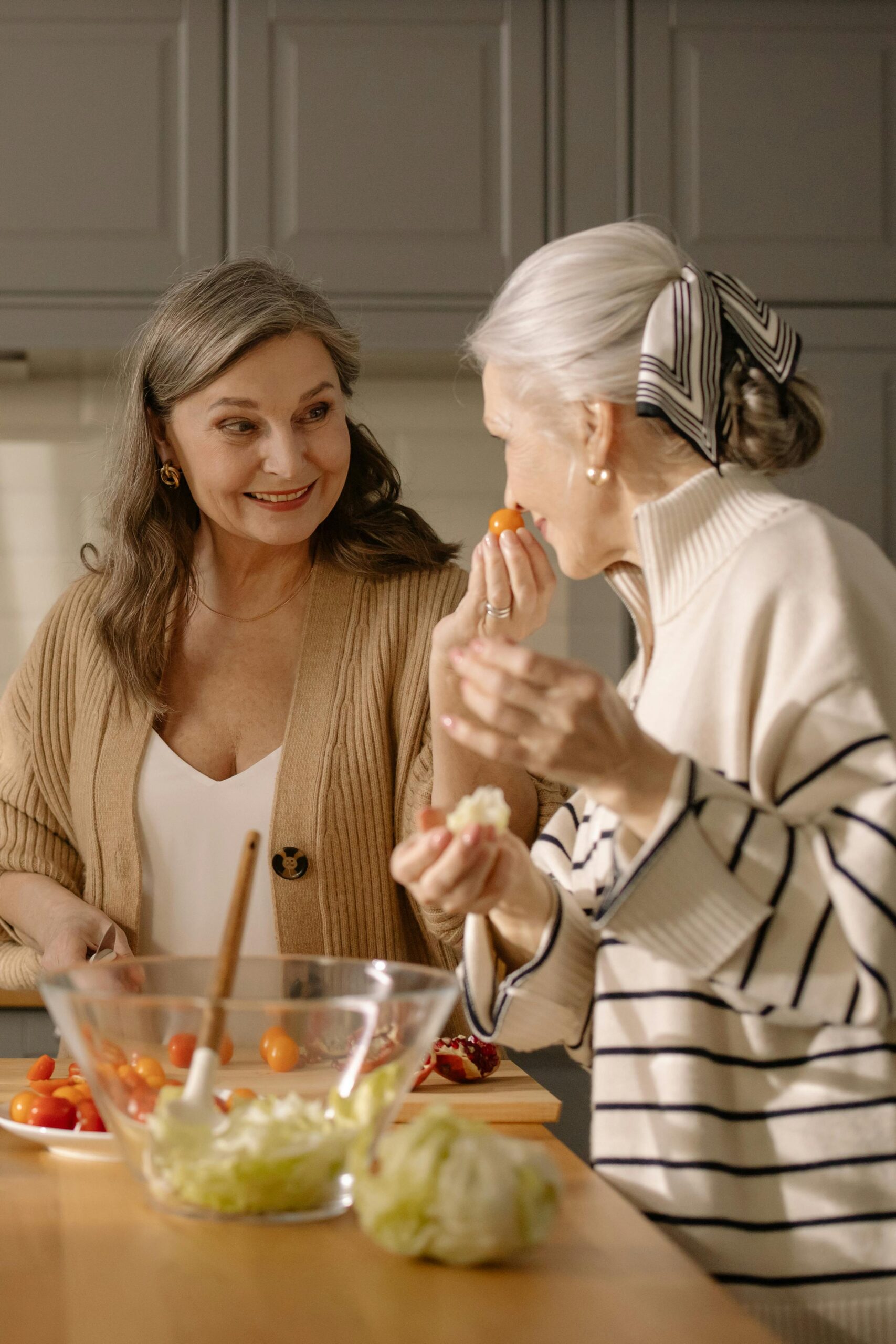
Let’s talk about the question that keeps a lot of childfree women up at night: “Who’s going to take care of me when I’m old?”
It usually comes from well-meaning relatives at holiday dinners, right after they’ve asked when you’re having kids. And when you say you’re not, they hit you with it like it’s checkmate. “But who will take care of you when you’re older?”
As if the only valid reason to have children is to secure future caregivers. As if every adult child actually shows up for their aging parents. As if this entire line of questioning isn’t both presumptuous and kind of insulting to everyone involved.
But here’s the thing: aging without kids is actually a legitimate concern, just not for the reasons they think. It does require more intentional planning. You can’t default to “the kids will figure it out” when something goes wrong. You need to build your own safety net.
And honestly? That might actually make you better prepared than most people.
The Real Question Isn’t “Who Will Take Care of You?”
The question should be: “How do I build a support system that doesn’t rely on guilting my hypothetical children into becoming my unpaid caregivers?”
Because let’s be real about what often happens when adult children become caregivers. It’s frequently women (daughters, daughters-in-law) who end up shouldering the bulk of eldercare while also managing their own lives, careers, and families. It’s exhausting, it strains relationships, and nobody asked them if this is what they signed up for.
So maybe the better approach is to plan for your own future care in ways that don’t assume anyone owes you their time, energy, and emotional bandwidth just because you’re related.
Aging without kids means you get to be intentional about your support system from the start. You get to build relationships based on mutual care rather than obligation. You get to make plans that don’t hinge on whether your adult children live nearby, have the capacity to help, or even want to.
Why Community Matters More Than You Think
Here’s what nobody tells you about aging: isolation kills.
Not metaphorically. Literally. According to the World Health Organization, social isolation and loneliness have a serious impact on physical and mental health, quality of life, and longevity.
Having a big family doesn’t automatically prevent this. Plenty of people with kids and grandkids still end up isolated because those relationships are complicated, distant, or just not fulfilling.
What does help? Building genuine connections with people at different life stages who actually want to be in your life.
As financial planner Kara Day points out, “Without children to step in, you need to build your own safety net. That means building your own support system, such as friends, neighbours, or community groups.”
And honestly? That might be healthier than defaulting to family anyway.
The “Make Friends With Younger People” Strategy
Financial planner Milica Ivaz offers advice that’s both practical and a little funny: “Make friends with younger people.”
It’s not just so you have someone to help you move furniture or reset your wifi when you’re 80 (though that’s a bonus). It’s because intergenerational friendships keep you engaged, relevant, and mentally sharp.
Kate Kaufmann writes in Psychology Today about attending a luncheon with 20 childfree women ranging from their late 30s to 50s. As the eldest at the table, she found herself naturally stepping into a mentorship role, sharing experiences and normalizing life choices for the younger women.
She writes: “Some might say I was usurping the guidance role commonly filled by mothers and fathers with their adult children. In this case, though, what I did was decode and normalize for these women, each of them my junior, various life choices and experiences they might encounter as women who aren’t mothers.”
This is what community looks like when you’re aging without kids. It’s not transactional. It’s not based on obligation. It’s people at different life stages sharing experiences, resources, and support because they genuinely care about each other.
Building Your Support Network Now (Not When You Need It)
The worst time to start building a support network is when you desperately need one. So here’s how to start now, wherever you are in life.
Find Your People
Parents have built-in social structures: PTA meetings, sports teams, school events. They’re constantly thrown together with other parents and forced to interact, which leads to friendships (or at least familiar faces).
Childfree people don’t have that automatic community. We have to seek it out intentionally.
This might look like:
- Joining or creating social groups specifically for childfree adults
- Connecting through shared interests (not shared parenting status)
- Participating in community organizations, volunteer work, or advocacy groups
- Building professional networks that extend beyond work
- Cultivating friendships with neighbors and people in your area
As I discuss in my guide to navigating single and childfree life, think of your support network like assembling your own personal Avengers team. You need people who show up, who get it, and who aren’t going to judge you for living life on your own terms.
That’s actually why I’m launching a childfree by choice support group – because finding other women who are intentionally building lives without children shouldn’t be this hard.
Cultivate Intergenerational Friendships
Don’t just hang out with people your own age. Seek out connections with people both older and younger than you.
Younger friends bring fresh perspectives, energy, and yes, tech skills you might need someday. They’re also building their own lives and communities, and you get to be part of that.
Older friends offer wisdom, experience, and a roadmap for what aging can look like. They’ve already navigated many of the transitions you’re approaching, and they can show you different ways to do it well.
Kate Kaufmann discovered this when visiting continuing care retirement communities. She writes: “After talking with a number of enthusiastic residents, I realized that living amid my elders could offer the kind of guidance and mentorship I’ve appreciated my whole life. They could show me various options for how to complete my own life well-lived.”
Don’t Wait for Friendships to Happen – Create Them
Be the person who organizes things. Host dinners. Plan trips. Create traditions. Start a book club or hiking group or whatever sounds good to you.
People are often waiting for someone else to take the initiative. Be that person.
And when you meet other childfree adults who seem cool? Actually follow up. Exchange numbers. Make plans. Build real friendships instead of just accumulating acquaintances.
The Practical Side: Housing, Money, and Legal Stuff
Community is crucial, but it’s not the only piece of aging without kids. You also need to handle the practical stuff that many people assume their kids will deal with.
Housing That Works for Future You
Where you live matters more as you age. Walkability, access to public transit, proximity to medical care, and community resources all become increasingly important.
According to MoneySense, factors to consider include:
- Can you age in place if you want to?
- Is your home accessible (or can it be modified)?
- Are you near public transportation for when driving isn’t an option?
- Do you have community nearby?
Some people plan to downsize. Others look into continuing care retirement communities. Some explore co-housing or other collaborative living arrangements with friends.
The key is thinking about this now, not when you’re forced to make decisions in a crisis.
Financial Planning for Services You’ll Need
Without kids to “just help out,” you’ll likely pay for services others get for free (or guilt their children into providing). Lawn care, snow removal, tech support, transportation to appointments, meal prep, home maintenance – all of this costs money.
As Kara Day points out: “While child-free adults may have saved more during their working years, they’ll likely face higher expenses in retirement because they’ll need to pay for services children often provide.”
This doesn’t mean aging without kids is necessarily more expensive overall. But it does mean budgeting for paid help instead of assuming someone will just show up.
Consider:
- Long-term care insurance
- Setting up a HELOC for future flexibility
- Planning for in-home care costs
- Building a larger emergency fund
- Researching what services cost in your area
Legal Protections When You Can’t Decide for Yourself
This is the unsexy but crucial part: getting your legal documents in order.
Power of attorney, health care directives, advance care plans, wills, trusts, and estate planning – all of this matters more when you don’t have an obvious “most responsible child” to handle things.
Who makes medical decisions if you can’t? Who manages your finances if you become incapacitated? Where does your money go when you die?
These aren’t fun questions, but they’re important ones.
Pick people you trust to handle these responsibilities. And make sure they actually know what you want, not just what’s written in the legal documents.
What About When Friends Drift Away?
Here’s a painful reality about aging without kids: you’ll lose friends along the way.
Some will become parents and disappear into the chaos of raising children for 18+ years. Some will move away. Some relationships will just run their course.
This happens to everyone, but it hits differently when you don’t have the built-in community that comes with parenting.
When friends with kids drift away, it’s not personal (usually). They’re overwhelmed, exhausted, and consumed by a life stage you’re not in. It doesn’t mean they don’t care. It means they have zero bandwidth.
The key is not taking it personally and continuing to build new connections. As I discuss in my article on mom life or me life, different life paths mean different priorities, and that’s okay.
Keep showing up for the friends who have capacity. Let the others go without resentment. And actively seek out new friendships with people who are living lives similar to yours.
The Freedom Side of Aging Without Kids
Let’s talk about what often gets overlooked in these conversations: the benefits.
Aging without kids means:
- More financial flexibility for your own care and quality of life
- Freedom to relocate if you want to
- Ability to make decisions without worrying about impact on children
- No guilt about “burdening” your kids
- Relationships based on genuine connection, not obligation
You get to design your later years around what you actually want, not what’s easiest for your adult children.
Want to live in a vibrant urban area with great public transit? Do it. Want to retire abroad? Nothing’s stopping you. Want to spend your money on experiences, travel, and quality care instead of leaving an inheritance? That’s your choice.
The autonomy that comes with aging without kids is real, and it’s valuable.
Starting Now, Wherever You Are
If you’re reading this and thinking “I should have started planning years ago,” stop. You’re starting now. That’s what matters.
Here’s where to begin:
This week:
- Reach out to one person you want to strengthen your connection with
- Research one local group or activity you could join
- Have one conversation about your future with someone you trust
This month:
- Evaluate your current living situation with future accessibility in mind
- Start a list of legal documents you need to create or update
- Connect with other childfree people (online or in person)
This year:
- Build at least three genuine friendships with people at different life stages
- Get your essential legal documents in place
- Create a preliminary plan for your retirement and later years
You don’t have to have it all figured out. You just have to start building the foundation.
You Don’t Have to Navigate This Alone
Whether you’re childfree by choice, childless not by choice, or somewhere in between, you deserve support that acknowledges your specific experience.
Book a Free Consultation
Let’s sit down and talk about where you are in your journey. No judgment, no assumptions, just a conversation with someone who gets that women’s lives look different and all of those differences are valid.
Book your free consultation here →
Join the Childfree by Choice Process Group
If you’re childfree by choice and tired of explaining yourself, my process group launches Spring 2026. It’s a space where your choice is celebrated, not questioned. Join the interest list to be notified when registration opens.

- A comprehensive checklist of common symptoms (and the ones nobody talks about)
- Signs your doctor might be missing
- How to find perimenopause-savvy healthcare providers
- Resources for navigating this transition
Is It Perimenopause or Am I Losing My Mind?


